Understanding Trombocyten (Platelets)
Think of your blood vessels as a network of tiny pipes. Trombocyten, or platelets, are like the body's repair crew, constantly patching up any small leaks. These microscopic cells are vital for stopping bleeding; they're your body's natural "band-aids". A sufficient number ensures efficient blood clotting. Too few (thrombocytopenia) increases bleeding risk, while too many (thrombocytosis) raises the chance of dangerous clots.
Normal Trombocyten Counts and Variations
A healthy person generally has 150,000 to 450,000 platelets per microliter of blood. This is the ideal range for proper clotting. Falling below 150,000 indicates thrombocytopenia (low platelet count), increasing bleeding risk. Conversely, exceeding 450,000 signifies thrombocytosis (high platelet count), raising the risk of blood clots. Have you ever wondered what a slightly elevated platelet count means? It's a common question, and one we'll address in detail.
Causes of Low and High Trombocyten Counts
Various factors can influence your platelet count. Let's explore common reasons for low and high platelet levels.
Thrombocytopenia (Low Platelet Count)
Several factors can cause low platelet counts, including:
- Reduced Production: Your bone marrow, the blood cell factory, may struggle to produce enough platelets. This can result from bone marrow diseases, certain medications (like some chemotherapy drugs), or infections.
- Increased Destruction: Your immune system might mistakenly attack your platelets, leading to their premature destruction. This autoimmune response can be triggered by various autoimmune diseases or medications.
- Splenic Sequestration: Your spleen, a blood-filtering organ, might retain more platelets than needed, reducing the circulating count even if production is normal.
Thrombocytosis (High Platelet Count)
A high platelet count isn't always problematic. It's often a temporary response to another issue. However, it can also signal a more serious underlying condition. Causes include:
- Reactive Thrombocytosis: This is a temporary increase in response to inflammation, infection, iron deficiency, or stress. It usually resolves once the underlying issue is addressed.
- Essential Thrombocythemia (ET): This is a type of blood cancer where the bone marrow overproduces platelets, often due to a genetic mutation.
- Other Conditions: Conditions like certain cancers or splenectomy (spleen removal) can also lead to elevated platelet counts. Some medications may have this effect as well.
What about a slightly elevated count? It warrants investigation to determine the underlying cause.
Diagnosing Trombocyten Disorders
Diagnosing platelet disorders usually begins with a blood test:
Complete Blood Count (CBC): This provides a comprehensive overview of your blood's composition, including your platelet count, mean platelet volume (MPV), and platelet distribution width (PDW).
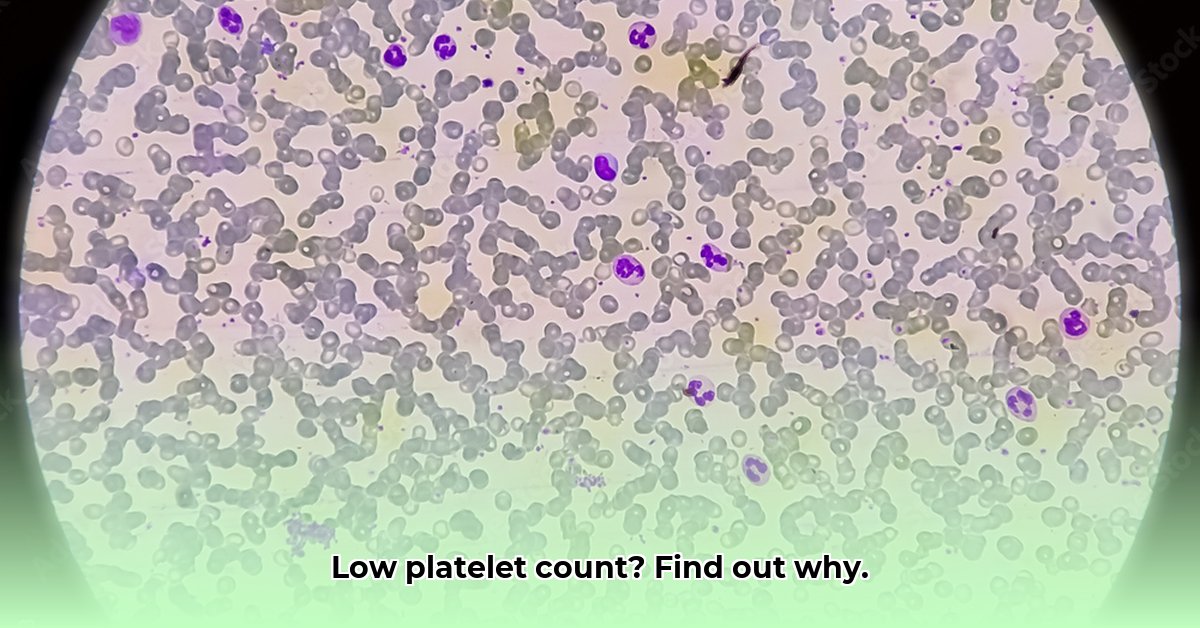
Peripheral Blood Smear: Examines a blood sample under a microscope to assess platelet shape and size.
Bone Marrow Biopsy: If needed, this involves taking a bone marrow sample to assess platelet production.
Genetic Testing: This may be used to identify underlying genetic mutations, especially in cases like ET.
Treatment Strategies for Trombocyten Disorders
Treatment depends on the cause and severity. Some conditions need no specific treatment, especially if the abnormal count is temporary.
| Stakeholder | Short-Term Strategies | Long-Term Strategies |
|---|---|---|
| Healthcare Providers | Blood tests, investigations to identify the cause, and initiating appropriate treatment. | Regular platelet count monitoring, adjusting treatment as needed, and participation in relevant research studies. |
| Patients with Thrombocytopenia | Bleeding precautions, medication (if necessary), regular monitoring. | Managing underlying conditions, closely observing for bleeding, and making appropriate lifestyle adjustments. |
| Patients with Thrombocytosis | Lifestyle changes, addressing underlying issues. | Regular check-ups, potential antiplatelet medications (in specific cases), and careful management of risks. |
| Researchers | Investigating genetic factors and developing new treatment approaches. | Conducting clinical trials and improving methods of predicting platelet disorders. |
Living With Trombocyten Disorders
Managing thrombocytopenia or thrombocytosis requires understanding your condition and taking necessary precautions.
Thrombocytopenia (Low Platelet Count):
- Avoid activities increasing bleeding risk (e.g., contact sports).
- Use an electric razor instead of a blade.
- Use a soft-bristled toothbrush.
- Report any unusual bleeding or bruising immediately.
Thrombocytosis (High Platelet Count):
- Regular check-ups are essential to monitor platelet levels.
- Be aware of blood clot symptoms (chest pain, shortness of breath, leg swelling) and report them promptly.
Ongoing Monitoring and Follow-up
Regular visits to your doctor are crucial. Your doctor will advise on the frequency of blood tests and further investigations. Open communication and prompt reporting of new symptoms are critical for effective management.
How to interpret slightly elevated platelet counts and their clinical significance
A slightly elevated platelet count warrants investigation to rule out underlying conditions. Further testing helps pinpoint the cause, which guides the appropriate management strategy. Regular check-ups are crucial for long-term monitoring.